
Travel Sickness in Dogs and Cats: A Gentle (and Slightly Messy) Guide for Pet Owners
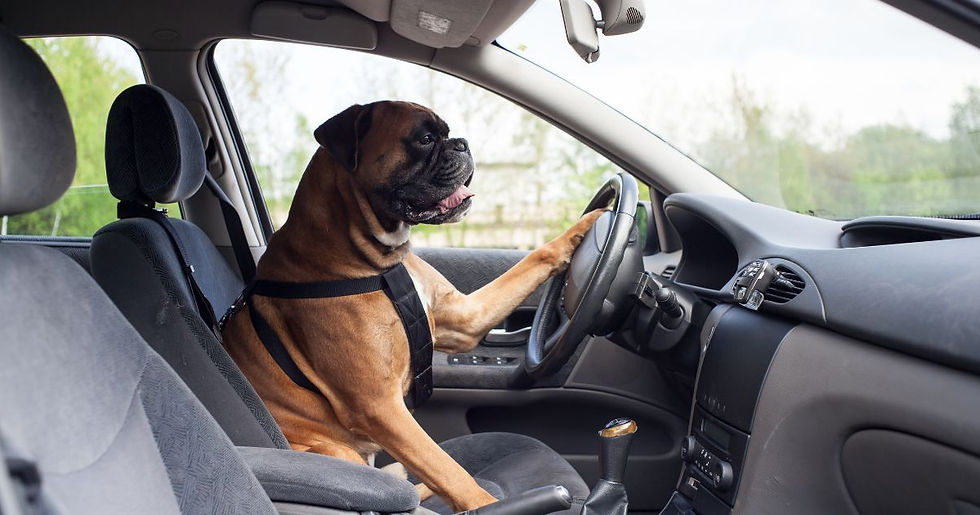
By Nicola Roberts RVN
If you’ve ever arrived at your destination only to be greeted by a very sorry-looking pet and an even sorrier car, you’re certainly not alone.
Travel sickness is something I know all too well. Having owned spaniels and setters over the years, car journeys in their younger days often meant excessive drooling, head shaking, and then, almost with perfect timing, vomiting just as we arrived. Not five minutes in, not halfway through, always right at the destination, as if to make the moment memorable.
One of my red setters, who is otherwise absolutely beautiful and elegant, had a remarkable ability to transform into a full-scale drool monster in the car, managing to coat not just herself, but most of the seating and boot for good measure.
And just to keep things balanced, one of my cats has also decided that travel should involve vomiting, ideally with very little warning.
It can feel stressful, messy, and at times a little disheartening, but the good news is that travel sickness is very common, especially in younger animals, and there are gentle, practical ways to help.
Contents
What causes travel sickness in dogs and cats?
Travel sickness is often linked to the inner ear, which helps control balance.

In younger pets, this system is still developing, which is why puppies and some kittens are more likely to feel nauseous during car journeys. As they grow, many improve naturally.
There can also be an emotional component. If a pet starts to associate the car with feeling unwell, they may become anxious before the journey even begins, which can make symptoms worse and, over time, turn into a longer-term issue.
Which pets are more likely to be affected?
While any dog or cat can experience travel sickness, some patterns do emerge.
From both clinical experience and life at home, certain breeds do seem more prone, particularly spaniels and setters.
More broadly, travel sickness tends to be more common in:
Sensitive or emotionally attuned breeds:
Spaniels such as Cocker and Springer Spaniels
Setters
Labrador Retrievers, especially as puppies
Golden Retrievers
Border Collies
Vizslas
German Shorthaired Pointers
Smaller or more easily unsettled breeds:
Cavalier King Charles Spaniels
French Bulldogs
Chihuahuas
Dachshunds
More alert or easily overstimulated breeds:
German Shepherds
Boxers
Poodles, particularly Miniature and Toy
Cats can also struggle, particularly those who are less used to travelling or dislike the carrier, as well as vomiting, when really anxious they can also poo.
Kittens often adapt more easily if introduced to travel early, whereas adult cats may find it more stressful simply because it is unfamiliar and outside their control.
Age is also important. Puppies are much more likely to experience travel sickness, and many improve as they grow.
Ok, this list does end up including quite a lot of breeds, so basically any dog or cat...
Signs of travel sickness
Excessive drooling
Lip licking or swallowing
Restlessness or whining
Panting
Vomiting
Reluctance to get into the car
Many owners recognise that familiar pattern. Drooling begins, discomfort builds, and then the inevitable happens.
Travel sickness and anxiety
Over time, some pets begin to associate the car with feeling unwell. This can lead to anxiety before the journey has even started.
Helping your pet feel more comfortable again is absolutely possible, and often makes a big difference.

Helping your pet feel more comfortable in the car
Start gently:
Sit in the car without the engine on
Offer treats, praise, or a favourite toy
Build up gradually:
Add the engine without moving
Progress to very short journeys
Slowly increase duration
Make journeys positive:
Whenever possible, end trips somewhere enjoyable, not always at the vet. My own dog seems to know exactly when I’m turning towards the practice versus heading to one of our favourite walks, and I’m sure you can guess which she prefers. She is definitely not a fan of “take your dog to work” days.
And most importantly, try not to become frustrated. However messy or inconvenient it may feel in the moment, your pet is not doing this on purpose. They are feeling genuinely unwell. Staying calm and reassuring will help far more than anything else.
You are not doing anything wrong if your pet struggles with travel. This is very common, and there are ways to help.
What you can do to help
1. Travel on a light stomach
Avoid feeding a full meal just before travel.
2. Ease into the journey slowly
Sit in the car before starting the engine, then allow time with the engine running before moving off.
3. Create a calm environment
Keep the car cool
Reduce noise
Use secure restraints
4. Help your pet feel stable
Use a non-slip rubber mat under bedding to prevent sliding.
5. Drive smoothly
Gentle, steady driving helps reduce nausea. Think calm, steady journeys, not Formula 1 driving.
6. Positioning matters
Forward-facing positions can help reduce motion sickness, but emotional comfort is important too.
For some pets, being closer to you can feel reassuring, and travelling next to a familiar person may help reduce anxiety compared to being alone in the boot.
That said, safety always comes first. My own setter travels in the boot, not because she would choose to, but because if given the opportunity she would make every effort to be in the front of the car, ideally on the driver’s lap, or at the very least applying a generous layer of drool to their head.
Finding the right balance between comfort and safety is key.
7. Take breaks on long journeys
Allow time for toileting and small drinks, not too much at once.
8. Use pheromone support if needed
Products such as Adaptil or Feliway use a synthetic version of a natural calming pheromone produced by lactating dogs and cats to help reassure their puppies or kittens.
These pheromones can help create a sense of familiarity and safety, which may reduce anxiety during travel, particularly for dogs who associate the car with feeling unwell.
They are available as sprays, collars, or diffusers. For car journeys, sprays are often the most practical option.
If using a spray, it’s helpful to apply it to bedding or the car area before travel and refresh it every 2 hours to maintain its effect.
9. Bring something familiar
A blanket or toy from home can be very reassuring.
10. Don’t ignore it
If your dog regularly struggles with travel sickness and you have a trip planned, it is best not to wait and hope it improves on its own.
Making an appointment with your vet in advance allows time to put a plan in place, whether that is behavioural support, medication, or both. This can make a huge difference to your pet’s comfort and help avoid a stressful journey for everyone.
Quick pre-journey checklist
Light meal only
Non-slip bedding in place
Travel kit packed
Breaks planned
Medication given if prescribed
A simple travel kit for your pet
After a few too many learning experiences, I now always travel with a small kit:
Microfibre towels
Pet-safe wipes
Portable water bowl
Seatbelt restraint used with a harness only
I also carry a few basic first aid items, including:
A spare collar and lead
Dressings (bandages for cut paws)
A tick remover
The tick remover has actually proven surprisingly useful. On one occasion, it ended up being used on a family member rather than the dog, which was not quite its intended purpose, but did lead to a slightly memorable moment and a new level of appreciation for why I keep one in the car.
Important safety note:
Never attach a seatbelt restraint to a collar. It can act like a noose.
Also:
Not securing your pet can invalidate your insurance
It is an offence under the Highway Code

I have unfortunately nursed dogs who have jumped from car windows or suffered eye injuries from having their heads out of the car. It may look enjoyable, but it does not prevent travel sickness and it is not safe.
Why we don’t recommend sedation for travel
It is very understandable to think about sedation, especially if journeys have been particularly difficult.
However, sedation is generally not recommended for travel sickness, and in many cases can actually make things worse.
Sedatives work by reducing awareness and activity, but they do not treat the underlying nausea. This means your pet may still feel sick, but be less able to move, balance, or respond normally.
In addition:
Sedation can cause disorientation and unsteadiness
It can interfere with balance, potentially worsening motion sickness
Some sedatives can affect breathing and temperature regulation
Recovery can leave pets feeling more unsettled afterwards
So while a pet may appear calmer, they may not actually feel better.
Why anti-nausea medication is often a better option
Anti-emetic medication:
Targets the vomiting centre in the brain
Reduces nausea directly
Helps your pet feel genuinely more comfortable
Can prevent the cycle of negative association with travel
Many of these medications need to be given a few hours before travel to be most effective, so planning ahead is important.
Why this should come from your vet
It is important that any medication used is prescribed specifically for your pet.
Your vet will:
Choose the most appropriate medication
Calculate the correct dose based on weight and health
Check for any underlying conditions or drug interactions
Advise on the correct timing before travel for best effect
Online or non-prescribed options can be unreliable, incorrectly dosed, or simply ineffective.
If cost is a concern, it is absolutely reasonable to discuss this. You can ask your vet for a written prescription, which allows you to purchase the medication from a pharmacy, often at a lower price. This way, your pet still receives safe and appropriate treatment.
When to seek veterinary advice
If your pet:
Vomits on most journeys
Becomes very distressed
Is not improving
It is worth seeking advice.
A reassuring note
The encouraging news is that many pets, especially young dogs, do grow out of travel sickness over time. I have certainly seen this with my own dogs, who gradually moved from dramatic drooling and perfectly timed vomiting to much more settled travellers.
With patience, consistency, and the right support, things do usually improve.
And in the meantime, a little preparation, and perhaps a well-placed towel, can go a very long way.
If you are struggling or planning a trip, we are always here to help.
We believe that preventing illness is one of the best ways to keep your pet fit, comfortable, and happy throughout their life.
That’s why we’ve created the Vital Pets Club, designed to make essential preventative care simple, accessible, and more affordable.
Vital Pets Club helps to spread the cost of preventive care, including vaccinations and parasite protection, into easy monthly payments, so you can keep your pet protected all year round.
It’s a simple way to stay on top of your pet’s health and enjoy peace of mind, knowing their preventative care is taken care of. (T&C's Apply)

.png)


